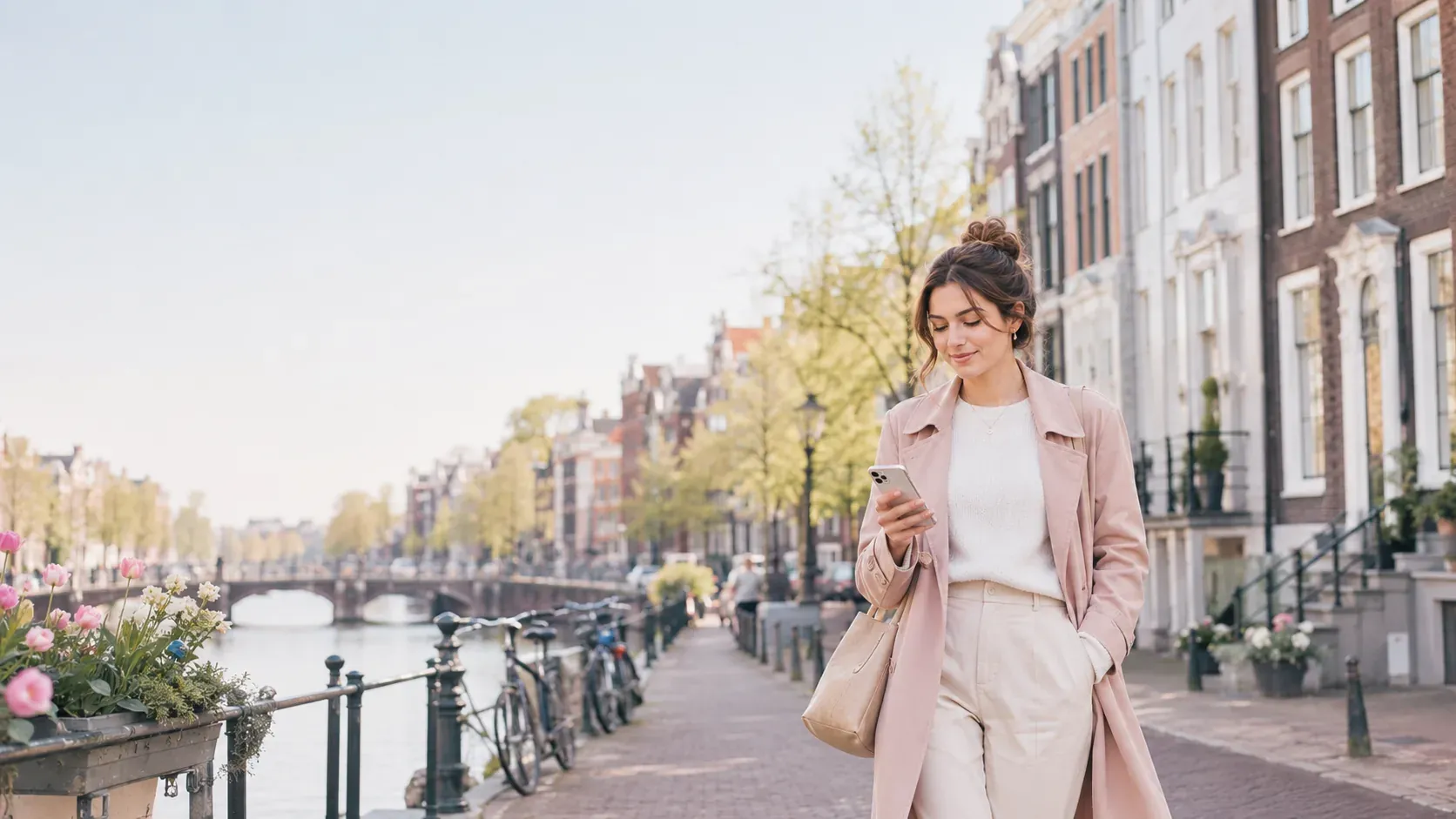

It is a common expat worry: you carefully say a Dutch sentence, and the other person immediately replies in English. Did the effort backfire? No. Dutch people, including in Amsterdam, generally appreciate the effort. The switch to English is about speed and helpfulness, not a verdict on your Dutch.
Why they appreciate it
The Netherlands prides itself on language skills, topping the world’s English ranking for years, so locals know how hard a second language is. An expat who tries Dutch is read as someone investing in living here, not just passing through. In a city as international as Amsterdam, where a large share of residents are not originally Dutch, that effort genuinely stands out.
Why they still switch to English
- Efficiency. If English is faster for both of you, many Dutch people default to it.
- Habit. They switch automatically the moment they hear an accent.
- Kindness. They think they are helping you, not shutting you down.
None of this means stop. It means you need a couple of tactics so the effort lands.
What actually impresses Dutch people
It is not perfect grammar. It is effort and willingness. A wobbly but genuine attempt earns more warmth than a flawless sentence delivered nervously. The things that land best:
- Greeting and thanking in Dutch (“hoi”, “dankjewel”, “fijne dag”).
- Trying the situation in Dutch first, even if you finish in English.
- A bit of humour about your own level. Self-deprecation is very Dutch.
How to make the effort count
- Open in Dutch before they can switch: a simple “Hoi, mag ik…”.
- Use the magic line: “Sorry, mijn Nederlands is nog niet zo goed, maar ik oefen.” (Sorry, my Dutch is not great yet, but I am practising.) Most people happily slow down after this.
- Keep going even when they answer in English; reply in Dutch.
A note on region and age
Older people and those in smaller towns are often especially pleased by the effort, and may speak a little less English, so your Dutch is more useful there. Younger people in central Amsterdam switch to English the fastest, simply because they can. Either way, the appreciation is real; the switch is just convenience.
We cover the full set of tactics in how to learn Dutch when everyone speaks English, and whether it is worth it at all in can you survive in Amsterdam without speaking Dutch. The Dutch government also frames learning the language as central to integration.
Common mistakes that undercut the effort
A few habits quietly waste the goodwill your effort earns:
- Giving up at the first switch. When they answer in English, many expats relax into it. Reply in Dutch one more time and most people stay.
- Over-apologising. A long apology for your Dutch invites a switch to English. One short line is enough, then carry on.
- Mumbling. A clear, slightly louder wobbly sentence reads as confidence; a perfect but whispered one reads as nerves and triggers a helpful switch.
A few phrases that always land well
- “Mag ik het in het Nederlands proberen?” (May I try it in Dutch?)
- “Hoe zeg je dat?” (How do you say that?)
- “Dankjewel voor je geduld.” (Thank you for your patience.)
These turn a transaction into a tiny, warm exchange, which is the whole point. The same goes for dating: on a date, a little Dutch lands beautifully, as we cover in 7 distinctly Dutch compliments for a Tinder date in Amsterdam.
Learn it in five minutes a day
Learn Dutch For Expats is an app, available on the App Store, that turns real daily situations across the Netherlands into short, five-minute lessons with audio, built for expats in the Netherlands and Dutch-speaking Belgium.
Frequently asked questions
Do Amsterdam locals appreciate it when expats speak Dutch?
Yes. Most Dutch people appreciate the effort because it signals respect and a real intention to live here. They may still switch to English for speed, but that is convenience, not rejection.
Why do Dutch people switch to English when I speak Dutch?
Mostly out of efficiency and habit. They hear an accent or a pause and switch to help the conversation move faster. It is well-meant, but it can stop you practising, so opening in Dutch and asking them to keep going helps.
How do I get Dutch people to keep speaking Dutch with me?
Open the conversation in Dutch, use a phrase like “mijn Nederlands is nog niet zo goed, maar ik oefen,” and keep replying in Dutch even when they use English. Most people will meet you halfway.
Is it rude to speak English in Amsterdam?
No, English is widely accepted and expected in Amsterdam. But making some effort in Dutch is warmly received and helps you feel more at home.